
Introduction: Understanding the Power of Traffic Citations
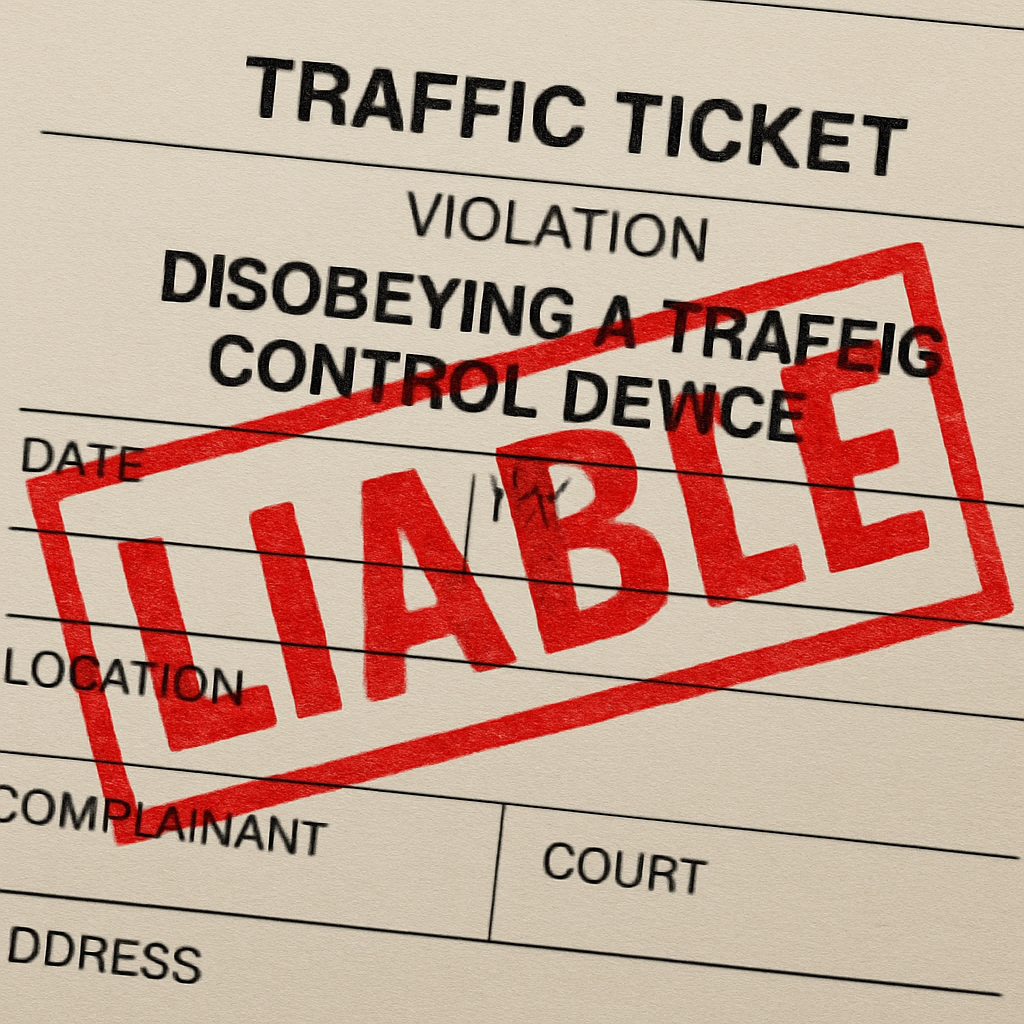
Traffic tickets represent far more than just financial penalties or insurance rate increases. When you're involved in a car accident that results in personal injury, that citation becomes a powerful legal document that can significantly strengthen your civil case. Moreover, an admission of fault on the citation creates compelling evidence that courts recognize and often weigh heavily during personal injury litigation. Understanding how traffic citations function in the courtroom transforms your perspective on what might seem like an unfortunate traffic stop into a valuable asset for your legal claim.
The relationship between criminal traffic citations and civil personal injury cases often surprises accident victims. Subsequently, many people don't realize that the citation issued at the accident scene contains critical information that establishes liability. Additionally, the officer's determination of fault provides independent corroboration of negligence—something juries find particularly persuasive.
How Traffic Tickets Establish Fault in Personal Injury Cases
Traffic citations directly demonstrate violation of traffic laws, and these violations form the foundation of negligence in car accidents. When an officer cites the other driver for violating specific traffic codes—such as running a red light, failing to yield, or reckless driving—that citation serves as official documentation of their wrongdoing. Furthermore, this creates a substantial advantage for your personal injury claim because the citation comes from an impartial authority figure rather than your own testimony alone.
The admission of fault on a traffic ticket carries tremendous weight in civil proceedings. In fact, when the cited driver accepts the citation or pays the ticket without contesting it, they essentially admit to violating traffic laws. This admission becomes admissible evidence in your personal injury lawsuit, effectively establishing that the other party's negligent actions caused the car accidents you experienced. Consequently, insurance companies often become more willing to settle when faced with this objective evidence of fault.
Using Citations as Proof in Court: The Legal Mechanism
The legal framework governing how citations function in civil cases varies slightly by jurisdiction, but most courts recognize traffic violations as circumstantial evidence of negligence. Therefore, when you pursue personal injury litigation, your attorney can present the citation as evidence that the defendant violated their duty of care. Moreover, law enforcement officers' reports accompanying the citation provide additional credibility, since officers document their observations of the accident scene, vehicle positions, and driver statements.
Additionally, the defendant's subsequent actions regarding the citation strengthen your case considerably. Should they accept the citation or plead guilty in traffic court, their admission becomes binding in many civil proceedings. This means the defendant cannot simply deny responsibility when your personal injury case reaches civil court—their earlier admission works against them. Consequently, this significantly simplifies proving fault and allows your case to focus on quantifying damages rather than establishing liability.
Defense attorneys understand this dynamic well, which explains why some defendants contest tickets vigorously. However, even if they fight the citation, the fact that an officer issued the ticket and documented their observations provides valuable evidence for your personal injury claim.
Conclusion: Maximizing Your Evidence in Personal Injury Cases
Traffic citations transform how personal injury attorneys approach car accident litigation. Ultimately, these official documents provide independent, objective proof of fault that strengthens settlement negotiations and trial outcomes. Therefore, always obtain copies of the traffic citation and police report immediately following your accident. Subsequently, share these documents with your personal injury attorney, who can leverage this evidence strategically throughout your case.
If you've been injured in a car accident, call the personal injury lawyers at Cap & Kudler for a free consultation with an attorney.
This article is for informational purposes only and does not constitute legal advice. Every case is different, and you should consult a qualified attorney regarding your specific situation.
Injured in an Accident? We Can Help.
Call Cap & Kudler for a free consultation. Our attorneys personally handle every case and fight to get you the compensation you deserve.
(702) 878-8778